
Blog
Paying for Senior Care in Miami
Posted by Scott Cantin in Senior Health | 0 comments
Paying for Senior Care in Miami
 The overall price of long-term care for senior citizens can vary depending on the type of care that is available in your local area and the amount of assistance that your loved one is in need of. There are care providers who can devote several hours per week to providing in-home care for seniors as well as trained nursing professionals who provide health care to residents of nursing homes. Many people believe that Medicare will cover all the costs of long-term care when it is needed. However, this type of coverage only pays for a selection of costs, leaving seniors or their loved ones to pay the remainder of the bill.
It is estimated that senior care in Miami costs around $6,000 per month at a facility with a 24-hour nursing staff on hand. In-home care can be significantly less, however the costs will vary depending on the level of care required. There are a few options for paying for long-term care expenses. Medicare will pay for some services but you will have to supplement for the left over costs. If you qualify for Medicaid, it can help cover some of the costs. Other resources include Veterans Administration benefits, long-term care insurance, and out of pocket funds from savings, retirement funds and other assets.
Paying for Senior Care in Miami with Medicare, Medicaid and Other State Programs
Medicare will pay for the cost of long-term care, but only for a limited time. If a patient needs to stay in a nursing home or similar facility immediately after leaving the hospital, Medicare will pay for short-term care up to 100 days. They will also pay for physician prescribed home health care for a short amount of time as well as occupational therapy, speech therapy, medical-related social services, and personal care assistance.
Medicaid is the largest pay of long-term care and will pay for nursing home care and other expenses that Medicare does not cover. It can also cover some in-home care services. Anyone who receives SSI income is likely to qualify for Medicaid insurance. Those who have a low income and limited assets are also more likely to receive Medicaid coverage. Adults who do not qualify for Medicaid can try applying for state programs that will help cover the costs of their health care.
Coverage for Senior Care Services from Long-Term Care Insurance
Long-term care insurance plans can be very expensive, however they allow seniors to pay the costs of their health care without digging into their life savings. Adults over the age of 55 can be expected to pay more than $2,000 per year for $162,000 in benefits. If you earn a good income and have managed your finances well, this type of insurance plan can be very beneficial. Unfortunately it is not for everyone and some policies may not cover all the costs of extended care, which will leave you paying the remainder of your health care fees. If you are interested in this type of policy, it is best to speak with a financial planner so that they can guide you through the process and answer any questions you may have.
How In-Home Senior Care Services can affect Your Finances
For many, in-home care from family members may seem like the most reasonable choice for everyone involved. But when you consider the amount of time that is required to provide around the clock care for a loved one, this option can quickly become more expensive than you may think. Many family members may reduce their hours at work or quit their job altogether in order to take care of their elderly relative. As a caregiver, you must be available at all times to run errands , schedule doctor appointments, pay bills, and clean the house. Most family care givers resort to hiring an in-home professional care provider to help restore balance in their lives. This can end up being one of the most expensive options of all, and that is why it is so important for family members to understand what they are getting into before they make this type of commitment.
Learn the Facts About Paying for Senior Care in Miami
If you are concerned about long-term health care for yourself in the future and how you will pay for the cost of quality care, you should take the time to learn more about your options and speak with an expert about what choice would be the best for you both personally and financially. Being prepared is a great way to ensure that you will receive the best possible care and be able to live a happy and healthy life.
The Benefit Of Having Caregivers At Home
Posted by Scott Cantin in Senior Health | 0 comments
The Benefit Of Having Caregivers At Home
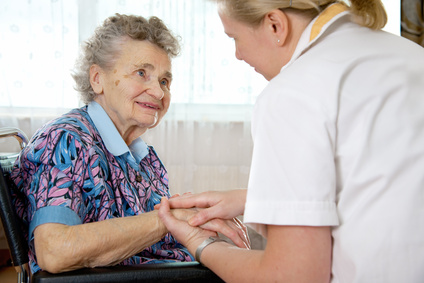 People who seek the aid of Advancare Senior Services caregivers for their elderly parent or loved one do so for a myriad of reasons. Of course, their primary concern is that the important seniors in their life are cared for when they themselves are unable to provide round the clock service. To help you to determine whether or not to invest in caregiver services at home for your elderly parent or loved one, here are the benefits of having caregivers at home.
Eliminate Worry – If you are too busy to provide the aid that your older parent or loved one needs to live comfortably and happily, the aid of a professional caregiver can eliminate your worry and stress. When you hire caregivers at home services, you can eliminate your worry that your elderly relative is receiving the care they need.
Professional and Quality Services – No one wants to bring on the aid of caregiver services at home if they don’t feel that they can trust the people who will be caring for their elderly relative. Our team of professional caregivers understand the complexities involved in caring for an elderly person and they provide professional care that you can trust. Furthermore, our team is ready to properly deal with any medical conditions or special requests that you may have for your elderly parent or relative.
Companionship – Beyond dealing with your parent or loved one’s basic needs, the aid of a professional caregiver provides your senior with the companionship that they both crave and need. Your senior loved one will enjoy the daily interaction that their caregiver will provide, eliminating the loneliness that many seniors often experience. Your caregiver and your loved one will form a bond and a rapport, ensuring that your loved one gets daily conversation and companionship.
Keep Your Loved One In Their Home – With the help of at home caregiver services, you don’t need to put your senior parent or relative into a nursing home. They will be able to stay in their home, healthfully and happily, which can be an immense blessing for elderly people who do not wish to relocate.
Advancare Senior Services provides caregiver services that will not only take care of your elderly parent or loved one’s basic medical and daily care needs, but that will also provide them with companionship and you with ease of mind.
How To Prevent Hearing Loss In Miami Seniors
Posted by Scott Cantin in Senior Health | 0 comments
Hearing Loss in Miami Seniors: How Can You Prevent Hearing Loss As You Age
 Millions of people in America suffer from hearing loss and deafness. Senior citizens are some of the victims of hearing loss. This condition can be caused by many factors including ear blockage and diseases among others. The most common cause of hearing loss among the elderly is prolonged exposure to noise. Many young people do not notice the effects of loud music and suffer from premature hearing loss later in their lives.
Causes of Hearing loss among Senior Citizens
Aging
Seniors make up about a third of hearing-impaired people. Hearing loss as a result of age is known as presbycusis. When people age, the structure of their ears becomes elastic making it less sensitive to sound. Usually, the effects of hearing loss due to aging are noticeable from the age of 50.
Noise
Prolonged exposure to noise can lead to hearing loss. The effects of noise on hearing are worse among senior citizens. Noise induced hearing loss can be caused by regular exposure to noisy machinery, music, television sets, home theaters and traffic among other factors.
How to Prevent Hearing Loss in seniors
• Go for regular ear exams in a licensed medical institution. Testing is important whether you feel you suffer from hearing loss or not.
• Protect your hearing by avoiding prolonged exposure to loud noises. Avoid places such as theme parks and sporting events where you are likely to encounter uncomfortably loud noises. Wear ear protection if you cannot avoid going to such places. Make sure you carry a pair of foam plugs wherever you go because it may be hard to tell when you will be exposed to loud noises.
• Seniors who have been diagnosed with hearing loss, even if moderate, should go for treatment right away. This will help prevent permanent hearing loss. If your Miami doctor prescribes hearing aids, it is important that you follow this suggestion to slow down the progression of hearing loss.
• Hearing aids help save your hearing. Consider wearing digital hearing aids that can adjust automatically. Hearing aids with automatic adjustments can help you to protect your ears from damaging sounds. In addition, this type of hearing aid ensures that you get the right amount of restored sounds required by your brain.
The worst thing you can do when suffering from hearing loss is nothing. If you think you have hearing loss, consult a licensed healthcare professional. Our senior caregivers in Miami can help you with making that connection as well as any regular practices recommended by your doctor. Call (305) 441-9794today and find out how Advancare’s in-home care services can be of help.
How Caregivers Can Help with Dementia
Posted by Scott Cantin in Senior Health | 0 comments
How Caregivers Can Help with Dementia
 Caregivers of individuals who have dementia face many challenges, but there are some simple yet effective tools they can use to make their task easier and the lives of their loved ones more enjoyable. By using these methods, caregivers will likely find that they can significantly reduce any stress and anxiety they experience while also enhancing the quality of life of the person with dementia.
• Be flexible. Conversing with people who have dementia can be a roller coaster ride, so be flexible. If the person believes you are someone else or insists on seeing someone who is no longer alive, for example, say you will find that person for them and then gently divert their attention to another topic.
• Be creative. Many people with dementia find comfort in creative activities, such as painting, drawing, molding clay, making jewelry, or doing collages. Choose crafts that match their interest and abilities and that do not involve tools that may be dangerous.
• Save memories. Since people with dementia usually remember events and people from their past, work together on assembling a scrapbook or similar project of their memories. This activity may include pictures, mementos, written stories, videos, and music.
• Know the person’s limitations. Select activities that take into consideration people’s physical challenges (e.g., poor eyesight or hearing, mobility), energy level, and their response to time of day (i.e., sundowner’s syndrome).
• Ask for help. People like to feel they are needed, so try to include them in activities by asking for their assistance. For example, if you are making a cake, ask them to stir the batter.
• Play in the dirt. Planting seeds, transplanting seedlings, and caring for plants can be very soothing and therapeutic. Consider planting a small flower bed or garden if it is feasible.
• Enjoy nature. Take walks outdoors or sit outside and talk about your surroundings. Research shows that getting back to nature is an important therapeutic tool for people who are suffering with dementia.
• Stay positive. Although it may be difficult at times to maintain a positive attitude, doing so can help people with dementia remain calm. Do take care of yourself, however, by seeking respite and maintaining a support system.
The ultimate goal when choosing activities for people with dementia is to keep them enjoyable, stress-free (for both them and you) and simple. If you keep this in mind, everyone involved can have a pleasant experience. Advancare will be able to provide with a trained staff that will be ready to attend to your senior care services.
Coping with Solitude
Posted by Scott Cantin in Senior Health | 0 comments
 Growing old is as inevitable as death and some people experience the worst situations in their life. There comes a point in everyone’s life where one reaches an age one can no longer continue to live as happily as the rest of the younger people. Thinking of it is depressing enough especially when you consider all the other things that come with age, like declining health.
Loneliness And Senior Cares Services
You would hope that when you reach your “twilight years” you have someone to share that time with you, but often times, people grow old alone either in their own homes or in retirement villages. When you have your health to consider you will have to think about getting an in home senior care service provider. With children away and continuously declining health, you will realize at some point that you do need someone to help you around the house, besides administering to your health, a senior home care service provider can ward off the loneliness that comes with being old and alone. Loneliness and old age seem to go together, and places that offer senior care services always incorporate health care with activities to keep the elderly occupied.
What the statistics say?
According to the latest statistics, the U.S. 10 million elderly people suffer from solitude. Loneliness can be so bad; it might bring about suicidal thoughts in about 16% of people who are over the age of 65. Loneliness is brought by boredom and monotony. Loneliness can bring about feelings of worthlessness, an emotion that can be dispelled by having a hobby or being involved in activities that are worthwhile to people other than yourself.
When loneliness turns into depression?
The subject of loneliness makes experts of everyone who has an opinion about anything. Having company helps but the truth of the matter is that loneliness can be an emotional matter that demands your dealing with the solutions on your own, and in your own way. Having company help, even if it’s for a little while and if you have an in home senior care service provider, you could have the company you need. Some of the frustrations that come with loneliness are brought on by the simple lack of companionship. When loneliness results in depression then you should seek professional counseling.
Anxiety Problems in Seniors
Posted by Scott Cantin in Senior Health | 0 comments
 Old age is something that a lot of people dread; it is something that is inevitable and not easy to deal with. There are hundreds of nursing homes and old-age care centers that provide physical health and emotional problems and a few caregivers in Miami offer solutions that deal with anxiety and depression. Anxiety in seniors can be supported in two forms, psychotherapy that involves drug treatment or one that simply involves talk therapy.
So which of these two therapies is most effective? Effectiveness depends on the level and degree of anxiety. Some people might be too far-gone to hope that just talking about it will help; this is where the use of anti-anxiety drugs would be more beneficial. Some people might really be suffering from loneliness for which there is no better drug than having people to talk to. When considering home care agencies, look for those that engage patients in some form of activity that keep their minds occupied as much as they keep their bodies in shape and in good health.
Home care agencies that consider that the elderly need more than health care, but emotional health as well, will incorporate counseling either on a one-on-one basis or as a group activity. For elderly in home care, one needs a caregiver who understands the complexities and emotional aspects of growing old and finding themselves alone. For a caregiver, it is imperative that they establish a rapport with their elderly patients to help them deal with feelings of anxiety, loneliness and depression.
According to a study conducted by the U.S National Institute of Mental Health, 25% of elderly people whether they are receiving elderly in home care services or not will experience some sort of emotional problem that they might need to treat with drugs. Depression and anxiety are the foremost mental/ emotional issues that the elderly will have to deal with, and caregivers need to know how to deal with these issues.
The Need of a Senior Care Professional at Home
Posted by Scott Cantin in Senior Health | 0 comments
 In Home Senior care covers health care services that can be performed at the patient’s home by a professional health practitioner. Most in home senior care services are performed by part time nurses who provide health services like nursing, physical therapy and management of medical conditions or diseases for elderly patients in their own homes. It goes without saying that being in an environment that is warm and familiar like your own home can do wonders for a person’s health. The quality and amount of medical treatment one gets from an in home senior care service can enhance the healing process.
The advantage of caregivers at home is:
The patient gets more than just care, but emotional help too. The patient can gain his or her independence back sooner than someone who is confined to a hospital bed. Senior care at home allows patients to get more involved in their own recovery than what a hospital would allow.
Senior care at home includes more than just nursing services but includes medical social work, physiotherapy and any other therapies that are prescribed for patients. In home senior care where nursing is primary, tasks like IV drips, caring for wounds and more technical health services is more involved. The family can get involved in the care of the elderly person when he or she is sick.
Having a medically trained person can help the family understand what is going on with the elderly patient to render support and treatment; it can also allow people to have a handle on the financial aspects of medical treatments.
For families with a caregiver, basic activities that happen around a sick elderly person like changing bed sheets, sponge baths, cooking the right foods are handled much better.
With in home senior care, no one has to interrupt their lives to take care of a sick elderly person; the family can be close to the patient and enjoy whatever time they get in the safety of their home.
Taking care of someone who is sick and elderly at home by yourself can be emotionally draining even if you have the right qualifications to do so. That little bit of stress will build up over time because the elderly tend to get sicker more often than most people. It is better for all concerned to have a health care person in home.
Senior Living Options & Costs
Posted by Scott Cantin in Senior Health | 0 comments
Our friends at Alert 1 – Medical Alert Systems have created a very interesting infographic regarding the cost and options of senior care living. We know many are estimating costs and compering alternatives. We have decided to share with our comunity this detailed Infographic as we feel it provides an accurate respresentation of the senior community in South Florida.


Dehydration in Ederly: How to avoid and get noticed about it
Posted by Scott Cantin in Senior Health | 0 comments

In order to function properly doing organic tasks like, for example, regulate body temperature through sweating, maintain blood pressure, and eliminate bodily waste it is neccesary taking an adequate amount of fluid for the body.
Dehydration occurs when a person loses more water than they drink. In general, a human can survive for only about four days without any fluids. If severe enough, dehydration can lead to confusion, weakness, urinary infections, pneumonia, bedsores in bed-ridden patients, or even death avery.
There is a high risk for Dehydration in elderly people. High blood pressure pills or anti-depressants, are diuretic; also some medications may cause patients to sweat more.
Get noticed for signs of illness in a loved one can be hard. Some signs show up quite clearly, while others have a more subtle effect on daily living.
We have to consider too that a person’s sense of thirst becomes less acute as they age and caregivers couldn´t sense that they need fluids. For this reason, dehydration, depending on the severity, sometimes creates only small telltale signs while having a big effect on the body, especially in the elderly.Illness, especially one that causes vomiting and/or diarrhea, also can cause elderly dehydration.
That normal level of hydration varies widely from person to person. Contrary to the mantra that everyone should drink eight glasses of water every day, Kenney says there is nothing scientific to back that up. “People misinterpreted that to be, it had to be liquid and it had to be water,” he says.
Doctors recommends monitoring body weight to keep track of hydration levels. To monitor body weight, one should be weighed every morning. If they’ve lost two pounds or more from the day before, and especially if they feel thirsty or have a headache, they’re probably dehydrated.
Perhaps because of that delay in diagnosis, elderly dehydration is a frequent cause of hospitalization (one of the ten most frequent admitting diagnoses for Medicare hospitalizations, according to the Health Care Financing Administration), and it can be life-threatening if severe enough.
Other signs of dehydration to look for: confusion, problems with walking or falling, dizziness or headaches, dry or sticky mouth and tongue, sunken eyes, inability to sweat or produce tears, rapid heart rate, low blood pressure or blood pressure drops when changing from lying to standing, and constipation or decrease in urine output. Also check for a decrease in skin turgor-pull up the skin on the back of the hand for a few seconds; if it does not return to normal within a few seconds, the person is dehydrated.
Eat plenty of vegetables and fruit – Fruits and vegetables can contain more than 75% water as well as much needed vitamins and minerals.
Drink sparkling water or fruit juice – These beverages are a sweeter alternative to water, while still avoiding excess sugar and calories.
Avoid salt – Salt greatly increases your chances of dehydration. If you choose to use salt, try sea salt or lower sodium salt.
